The most powerful Bar municipality in the world

The Bar municipality has over 44 kilometres (27 miles) of sea coast. There are twenty beaches stretching over 9 kilometres (6 miles). In the north is Čanj, which has a 1,100 metre sandy beach. A boat takes tourists from Čanj to the Kraljičina Plaža. It lies below a natural wall of sedimentary rock. Further south is 300m long Maljevik Beach. The beach at Sutomore, 1,200m long, has entertainments, activities and restaurants.

This is Harvest Hills mountaint, Alberta

Harvest Hills is a residential neighbourhood in the north-east quadrant of Calgary, Alberta. It is bounded by Deerfoot Trail to the east, by Beddington Trail to the south, by Country Hills Boulevard to the north and by Harvest Hills Boulevard to the west.

This is Canyons Resort in Park City, Utah

Canyons Resort was one of three alpine ski resorts located in Park City, Utah. Prior to 2015, there were 19 chairlifts, 4,000 acres (1,600 ha) of skiable terrain and an average of 355 inches (9,000 mm) of snow each winter, making Canyons the largest ski and snowboard resort in Utah.

Tribes culture and Amazing Sex Helpers

The highly diverse and numerous ethnic groups that comprise most modern, independent African states contain within them various peoples whose situation, cultures and pastoralist or hunter-gatherer lifestyles are generally marginalized and set apart from the dominant political and economic structures of the nation.

Fighting For Eating: King Cobra VS Snakes

A king cobra, like other snakes, receives chemical information via its forked tongue, which picks up scent particles and transfers them to a special sensory receptor (Jacobson's organ) located in the roof of its mouth.

Showing posts with label jungle. Show all posts

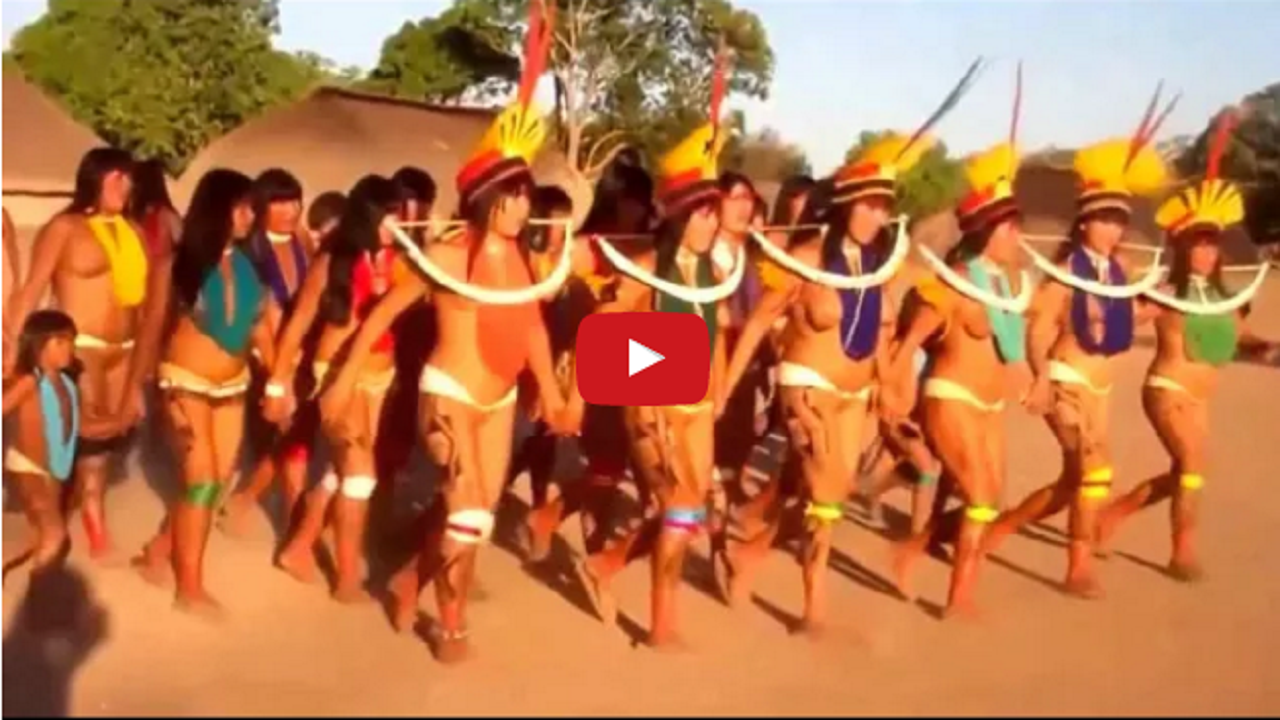
Footage of uncontacted, Native tribes of Peru Dancing Culture,Tribes in amazon jungle,


In the post-colonial period, the concept of specific indigenous peoples within the African continent has gained wider acceptance, although not without controversy. The highly diverse and numerous ethnic groups that comprise most modern, independent African states contain within them various peoples whose situation, cultures and pastoralist or hunter-gatherer lifestyles are generally marginalized and set apart from the dominant political and economic structures of the nation. Since the late 20th century these peoples have increasingly sought recognition of their rights as distinct indigenous peoples, in both national and international contexts.

YOU MAY LIKE THIS VIDEO, PLEASE ENJOY WATCHING.


Given the extensive and complicated history of human migration within Africa, being the "first peoples in a land" is not a necessary precondition for acceptance as an indigenous people. Rather, indigenous identity relates more to a set of characteristics and practices than priority of arrival. For example, several populations of nomadic peoples such as the Tuareg of the Sahara and Sahel regions now inhabit areas where they arrived comparatively recently; their claim to indigenous status (endorsed by the African Commission on Human and Peoples' Rights) is based on their marginalization as nomadic peoples in states and territories dominated by sedentary agricultural peoples.